

For decades, stepping on a bathroom scale meant focusing on a single number. That number, your body weight, has long been used as a quick indicator of health and fitness progress. But today, more people are realizing that weight alone tells an incomplete story.
Two individuals can weigh exactly the same yet have vastly different body compositions. One may carry more muscle mass, while the other may have higher body fat. These differences matter significantly when it comes to metabolism, strength, cardiovascular health, and overall wellness.
Modern health trends show a clear shift toward deeper, more meaningful data. Instead of asking “How much do I weigh?” people are now asking “What is my body made of?” This shift is driving the rapid adoption of advanced body composition tracking at home.
Looking for deeper health insights beyond body weight?
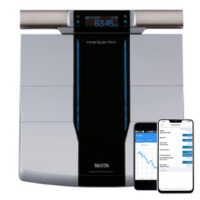
Smart body composition tracking can help you monitor changes in fat, muscle, balance, and overall progress more accurately than a standard scale. For readers who want more detailed at-home data, this is a strong option to explore.
- Segmental body composition tracking for arms, legs, and trunk
- Multi-frequency analysis for more advanced body data
- Tracks multiple body measurements plus heart rate
- Bluetooth app sync for progress monitoring over time
- Useful for fitness-focused users and long-term health tracking
What Is Body Composition and Why It Matters
Body composition refers to the percentages of fat, muscle, bone, and water that make up your body. Unlike basic weight measurements, body composition provides insight into how healthy your body actually is.
Key components include:
- Body fat percentage n- Muscle mass
- Bone mass
- Total body water
Understanding these elements allows you to make more informed decisions about your health. For example, losing weight might sound like progress, but if that loss comes from muscle instead of fat, it could negatively affect your metabolism and strength.
On the other hand, gaining weight due to increased muscle mass can be a positive outcome, especially for those focused on fitness and long term health.
The Rise of Smart Body Monitoring at Home
Recent health and fitness trends show growing interest in home based monitoring tools. People want convenient ways to track progress without relying solely on gym equipment or clinical visits.
This demand has led to the development of smart body composition scales that offer far more than just weight readings. These devices can analyze multiple health metrics within seconds and sync data directly to mobile apps.
What sets newer technology apart is the ability to provide segmental analysis. This means instead of viewing the body as a single unit, you can analyze different areas individually.
Segmental Analysis: A Game Changer for Fitness and Health
One of the most significant advancements in home body monitoring is segmental body composition analysis. This technology breaks down your body into sections such as arms, legs, and trunk.
Why does this matter?
Because the body is rarely perfectly balanced. Many people have stronger or more developed areas due to daily habits, sports, or training routines.
For example:
- A runner may have more developed legs compared to upper body
- A desk worker may have imbalances due to posture
- An athlete recovering from injury may have noticeable asymmetry
Segmental data allows you to identify these imbalances and take corrective action. This can improve performance, reduce injury risk, and support more balanced development.
Multi Frequency Technology and Accuracy Improvements
Another major trend in home health devices is the use of multi frequency measurement. Traditional methods often rely on a single frequency to estimate body composition, which can limit accuracy.
Multi frequency analysis uses different electrical signals to measure body composition at various depths. This allows for a more detailed and precise understanding of body fat, muscle, and water distribution.
The result is data that is closer to what you would expect from professional clinical equipment. This level of accuracy is becoming increasingly accessible to everyday users.
Tracking Muscle Quality, Not Just Quantity
Muscle mass has always been an important metric, but recent innovations have introduced the concept of muscle quality.
Muscle quality refers to how effectively your muscles function, not just how large they are. High quality muscle tends to be stronger, more efficient, and better at supporting metabolic health.
This is particularly relevant for:
- Aging populations looking to maintain mobility
- Athletes aiming to improve performance
- Individuals recovering from injuries
Tracking muscle quality over time provides a deeper understanding of physical fitness beyond simple size measurements.
Why Heart Rate and Additional Metrics Matter
Modern body composition tools often include additional health indicators such as heart rate. While this may seem unrelated to weight tracking, it plays a crucial role in understanding overall health.
Resting heart rate can indicate cardiovascular fitness, stress levels, and recovery status. When combined with body composition data, it offers a more holistic view of your health.
For example, improvements in body fat percentage alongside a lower resting heart rate can signal positive cardiovascular adaptation.
How Mobile Integration Is Changing Health Tracking
Another major trend is the integration of mobile apps with health devices. Instead of manually recording data, users can automatically sync their measurements and track progress over time.
This provides several advantages:
- Easy access to historical data
- Visual charts and trends
- Goal setting and reminders
- Personalized insights
With consistent tracking, patterns become easier to identify. You can see how changes in diet, exercise, or lifestyle impact your body composition over weeks or months.
Athlete Mode and Personalized Tracking
Not all bodies respond the same way to training. Athletes, for example, often have higher muscle mass and lower body fat compared to the general population.
Advanced tracking systems now offer specialized modes to account for these differences. Athlete mode adjusts calculations to better reflect the unique physiology of highly active individuals.
This ensures more accurate readings and prevents misleading results.
Guest modes are also becoming common, allowing multiple users to access the same device without interfering with each other’s data.
The Role of Data in Sustainable Health Goals
One of the biggest challenges in health and fitness is consistency. Many people start strong but lose motivation when results are not immediately visible.
Detailed body composition data can help solve this problem. Even when weight remains stable, improvements in muscle mass or fat percentage can indicate progress.
This reinforces positive behavior and encourages long term commitment.
For example:
- A person may not lose weight but gain muscle and lose fat
- Improved hydration levels can reflect better lifestyle habits
- Balanced segmental data can indicate improved posture and training effectiveness
These insights provide motivation beyond the scale.
Common Mistakes When Tracking Body Composition
While advanced tools provide valuable data, it is important to use them correctly.
Common mistakes include:
- Measuring at inconsistent times of day
- Ignoring hydration levels, which can affect readings
- Focusing on daily fluctuations instead of long term trends
- Comparing results between different devices
For best results, measurements should be taken under consistent conditions, such as in the morning before eating or exercising.
Who Should Use Advanced Body Composition Tracking
Body composition tracking is no longer limited to athletes or fitness professionals. It is becoming increasingly relevant for a wide range of individuals.
These include:
- People starting a weight loss journey
- Fitness enthusiasts aiming to optimize performance
- Individuals managing chronic conditions
- Older adults focused on maintaining muscle and mobility
The ability to monitor multiple health indicators at home makes it easier for anyone to take control of their wellness.
The Future of Home Health Monitoring
The future of health tracking is moving toward more personalized, data driven insights. As technology continues to evolve, home devices are becoming more sophisticated and accessible.
We can expect to see:
- Greater accuracy in measurements
- Enhanced integration with wearable devices
- AI driven recommendations based on personal data
- Expanded health metrics beyond traditional measurements
These advancements will continue to empower individuals to make informed decisions about their health.
Final Thoughts: Rapid Change in Health Tracking
The way people approach health tracking is changing rapidly. Moving beyond simple weight measurements to comprehensive body composition analysis provides a clearer picture of overall wellness.
With the availability of advanced home monitoring tools, it is now possible to track detailed health metrics without leaving your home. This not only improves convenience but also encourages consistency and long term engagement.
By focusing on meaningful data such as body fat percentage, muscle quality, and segmental balance, individuals can make smarter decisions and achieve better health outcomes.
The future of personal health is not just about numbers. It is about understanding your body on a deeper level and using that knowledge to live better.
