


October usually brings cooler mornings, pumpkin patches, and the excitement of the upcoming holidays. But there’s another seasonal visitor that deserves attention: influenza.
Getting a flu shot is often something people plan to do eventually, but it can easily slip down the list of priorities. Maybe next weekend. Maybe before Thanksgiving. Or perhaps when people at work start coughing and sneezing.
The problem? By the time flu activity becomes noticeable in your community, you may have missed an opportunity to build protection ahead of exposure.
As the 2026–2027 flu season gets underway, health officials are encouraging everyone to take preventive steps now rather than waiting until winter arrives.
And this year’s flu vaccines come with some important updates worth knowing about.
Why October Matters More Than You Might Think
Flu season in the United States typically begins picking up in the fall, with activity often peaking between December and February. However, influenza doesn’t follow a predictable calendar.
Some seasons begin earlier. Others last well into spring.
According to the Centers for Disease Control and Prevention (CDC), September and October are generally the ideal months to receive an annual flu vaccination.
There’s a practical reason behind this timing.
Your immune system needs approximately two weeks after vaccination to develop protective antibodies against influenza.
That means getting vaccinated today doesn’t necessarily provide full protection tomorrow.
Waiting until flu cases are widespread in your neighborhood could leave you vulnerable during that important two-week window.
The good news is that October 2026 still offers an excellent opportunity to prepare for the months ahead.
And if you miss the end-of-October target, vaccination can still be beneficial later in the season while influenza viruses continue circulating.
What’s Different About the 2026–2027 Flu Vaccine?
You might wonder why another flu shot is necessary if you received one last year.
The answer comes down to how influenza viruses behave.
Unlike some viruses that remain relatively stable, influenza viruses continually undergo genetic changes. These changes can make it harder for your immune system to recognize circulating strains based on previous exposure or vaccination.
That’s why scientists review global influenza surveillance data and update seasonal vaccine formulations.
For the 2026–2027 season, all three virus components of the US flu vaccine were updated compared with the previous season.
According to the CDC, one notable change targets an influenza A(H3N2) variant related to the subclade K virus that circulated widely during the 2025–2026 season.
This doesn’t guarantee that every vaccinated person will avoid getting the flu.
However, vaccination can reduce the risk of influenza illness and help lower the likelihood of serious complications, hospitalization, and death.
Even when the vaccine doesn’t completely prevent infection, it may help make the illness less severe.
Does Last Year’s Flu Shot Still Protect You?
Protection from previous vaccination can decline over time, and the influenza viruses circulating this season may differ from those targeted last year.
For these reasons, annual vaccination remains important.
Think of it as updating your body’s preparation for a changing seasonal threat.
The goal isn’t perfect immunity. It’s giving your immune system a better chance of responding effectively when influenza comes around.
Who Should Get a Flu Shot This Year?
The CDC’s guidance for the 2026–2027 season continues to recommend annual influenza vaccination for everyone aged 6 months and older who doesn’t have a contraindication.
While nearly everyone can benefit, certain groups face a greater risk of serious flu-related complications.
These include:
- Adults aged 65 and older
- Children younger than 5, particularly those under 2
- Pregnant women
- People with asthma or chronic lung disease
- Individuals with diabetes or heart disease
- People with weakened immune systems
For these individuals, influenza can be more than an uncomfortable week of fever, coughing, and exhaustion.
It may trigger complications such as pneumonia, worsen existing medical conditions, or lead to hospitalization.
Adults Over 65 May Need a Different Flu Vaccine
Not every flu vaccine is formulated the same way.
For adults aged 65 and older, the CDC preferentially recommends certain enhanced influenza vaccines, including high-dose, recombinant, and adjuvanted options.
These vaccines are designed to provide stronger immune protection in an age group that often responds less effectively to standard influenza vaccines.
If a preferred vaccine isn’t available, the CDC advises receiving another appropriate flu vaccine rather than missing the opportunity to get vaccinated.
A pharmacist or healthcare professional can help determine which option is suitable.
What About Children and Pregnant Women?
Children aged 6 months through 8 years may need two doses during a flu season, depending on their vaccination history.
When two doses are required, they should be separated by at least four weeks.
Pregnant women are also encouraged to receive an appropriate influenza vaccine because pregnancy increases the risk of serious complications from influenza.
Vaccination during pregnancy can additionally help protect infants during their first months of life, before they’re old enough to receive their own flu vaccine.
People with questions about vaccine eligibility, allergies, or medical conditions should discuss their circumstances with a healthcare professional.
Can You Still Get the Flu After Vaccination?
Yes, and understanding this is important.
No seasonal flu vaccine provides 100% protection.
Its effectiveness can vary depending on factors such as circulating influenza strains, age, and individual immune responses.
However, getting vaccinated is not an all-or-nothing decision.
Research has shown that influenza vaccination can reduce the severity of illness in people who become infected despite being vaccinated.
That distinction matters, especially for older adults and people living with chronic health conditions.
A less severe infection may mean a lower risk of dangerous complications.
Can the Flu Shot Actually Give You the Flu?
This is one of the most persistent misconceptions about influenza vaccination.
The injectable flu vaccines do not contain live influenza viruses capable of causing flu infection.
Some people experience temporary side effects, such as soreness at the injection site, mild fatigue, headache, or muscle aches.
These reactions are generally short-lived and are not the same as having influenza.
It’s also possible to become infected shortly before vaccination or during the two weeks needed to develop protection.
That timing can create the mistaken impression that the vaccine caused the illness.
Beyond the Flu Shot: Everyday Habits That Help Reduce Your Risk
Vaccination is a major preventive step, but it’s not the only thing you can do to protect yourself.
A few practical habits can make a meaningful difference throughout flu season.
1. Make Sleep a Priority
Getting adequate sleep supports normal immune function and overall health.
For most adults, the recommended amount is at least seven hours per night.
Consistently short or disrupted sleep can affect how well your body regulates immune responses.
If your sleep schedule has become irregular, establishing a consistent bedtime and reducing late-night screen exposure may help.
Simple adjustments, including a comfortable sleeping environment and a relaxing evening routine, can make it easier to get the rest your body needs.
For practical ideas, these science-backed methods for falling asleep naturally explain how small changes to your nighttime habits may improve sleep quality.
Good sleep isn’t a substitute for vaccination, but it remains an important part of maintaining overall health.
2. Wash Your Hands Regularly
Influenza spreads primarily through respiratory particles released when infected people cough, sneeze, talk, or breathe.
Contaminated hands and surfaces can also contribute to transmission.
Washing your hands with soap and water helps reduce the spread of germs.
When soap and water aren’t available, an alcohol-based hand sanitizer containing at least 60% alcohol is a useful alternative.
Try to avoid touching your eyes, nose, and mouth with unwashed hands.
3. Pay Attention to Indoor Air Quality
Crowded indoor spaces with poor ventilation can increase the risk of respiratory virus transmission.
Opening windows when practical, improving ventilation, or using appropriately sized air purifiers can help reduce airborne particles.
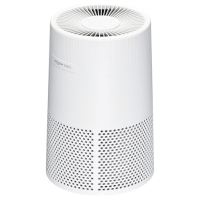
Amazon Basics Air Purifier for Home & Office
A convenient option for improving everyday indoor air quality, with adjustable settings and quiet operation for bedrooms, home offices, and shared living spaces.
- 360-degree air purification design
- Built-in air quality sensor with LED indicators
- 3 fan speeds and automatic adjustment mode
- Quiet 32 dB sleep mode and timer
- Advertised coverage of up to 1,067 sq. ft.
Affiliate disclosure: As an Amazon Associate, we earn from qualifying purchases. Air purifiers can support indoor air quality but do not eliminate the risk of influenza or replace vaccination and other preventive measures.
During periods of increased respiratory illness, wearing a well-fitting mask in crowded indoor settings may provide additional protection.
These precautions can be especially valuable for people at higher risk of severe illness.
4. Stay Physically Active
Regular physical activity supports cardiovascular health, metabolic function, and general well-being.
It can also help reduce stress and improve sleep quality.
You don’t need an intense workout routine to experience benefits.
Walking, cycling, swimming, or participating in other enjoyable activities can help you maintain a healthier lifestyle.
Even spending time outdoors can offer benefits for mental well-being.
The connection between outdoor activity and emotional health is explored further in the healing power of nature walks.
Physical activity won’t make you immune to influenza, but it contributes to overall health and resilience.
5. Know When to Stay Home
One of the simplest ways to protect others is to avoid close contact when you’re sick.
If you develop respiratory symptoms, stay home and away from others until your symptoms are improving overall and you’ve been fever-free for at least 24 hours without fever-reducing medication.
Additional precautions during the following five days can help reduce transmission.
This is particularly important if you live or work with older adults, infants, or people with weakened immune systems.
Flu Symptoms You Shouldn’t Ignore
Influenza symptoms often appear suddenly.
Common symptoms include:
- Fever or chills, although not everyone develops a fever
- Cough
- Sore throat
- Runny or stuffy nose
- Muscle aches and body pain
- Headache
- Unusual tiredness or weakness
Some children may also experience vomiting or diarrhea.
Because flu symptoms overlap with COVID-19 and other respiratory infections, symptoms alone may not reliably identify which virus is responsible.
Testing may be useful, particularly when the results could influence treatment decisions.
When Should You Seek Medical Attention?
Most people with uncomplicated influenza recover without needing emergency treatment.
However, certain symptoms require prompt medical evaluation.
Adults should seek emergency medical care for warning signs such as difficulty breathing, persistent chest pain or pressure, new confusion, seizures, or severe weakness.
In children, concerning symptoms include trouble breathing, bluish lips or face, dehydration, difficulty waking, or symptoms that improve and then return with worsening fever or cough.
People at higher risk of complications should contact a healthcare professional early if they develop suspected flu symptoms.
Prescription antiviral medications can reduce illness severity and duration, particularly when started within the first 48 hours.
Treatment may still be beneficial after that window for people with severe illness or a higher risk of complications.
Where Can You Get a Flu Shot in 2026?
For most people, getting vaccinated is relatively convenient.
Seasonal influenza vaccines are commonly available at:
- Primary care clinics
- Retail pharmacies
- Community health centers
- Local health departments
- Some workplace vaccination programs
Many health insurance plans cover recommended flu vaccination without out-of-pocket costs when received through eligible providers.
However, coverage can vary depending on insurance arrangements, provider networks, and individual circumstances.
People without insurance can contact local health departments or community health centers to ask about low-cost vaccination opportunities.
It’s worth checking availability before making a trip, particularly if you’re looking for a specific vaccine formulation.
Frequently Asked Questions About Flu Season 2026
Is October too late to get a flu shot?
No. October is generally one of the recommended months for influenza vaccination. The CDC advises most people to get vaccinated during September or October, ideally before the end of October.
What if I don’t get vaccinated until November or December?
You may still benefit from vaccination. The CDC recommends continuing flu vaccination throughout the season while influenza viruses are circulating and vaccine supplies remain available.
How long does it take for the flu vaccine to work?
It takes approximately two weeks after vaccination for the body to develop protective antibodies.
Do healthy adults really need a flu shot?
Yes. Healthy adults can still become infected with influenza, experience complications, and spread the virus to others. Annual vaccination is recommended for most people aged 6 months and older.
Can I get a flu shot if I have a mild cold?
A mild illness generally doesn’t prevent vaccination. However, people who are moderately or severely ill may be advised to wait until they recover. Ask a healthcare professional if you’re unsure.
Do I need another flu shot if I already received one this season?
Most people need only one dose per flu season. Some children require two doses depending on their vaccination history. Routine additional doses aren’t recommended for people who have already completed their seasonal vaccination.
The Bottom Line: Don’t Wait for Flu Season to Get Worse
It’s easy to overlook influenza when you’re feeling healthy and the holiday season is still weeks away.
But prevention works best when it happens before illness becomes widespread.
The 2026–2027 flu season is another reminder that protecting your health doesn’t always require complicated changes.
It begins with one straightforward decision: getting an annual flu vaccine at the recommended time.
Combine that protection with sufficient sleep, good hygiene, healthier indoor air, and responsible habits when you’re sick.
No single step can eliminate every risk, but together, these measures can help protect you and the people around you.
October is already halfway over. If your flu shot is still sitting on your to-do list, now is a good time to make a plan.
Medical Sources and References
- Centers for Disease Control and Prevention. Interim Clinical Considerations for the Use of Seasonal Influenza Vaccines in the United States. September 1, 2026.
- Centers for Disease Control and Prevention. 2026–2027 Flu Season. September 29, 2026.
- Centers for Disease Control and Prevention. Preventing Seasonal Flu.
- Centers for Disease Control and Prevention. ACIP Recommendations Summary.
Medical Disclaimer: This article is intended for general educational purposes and should not replace personalized medical advice, diagnosis, or treatment. Consult a qualified healthcare professional regarding vaccination decisions, symptoms, or individual health concerns.
