

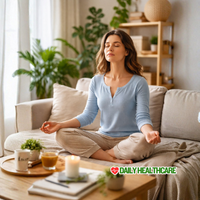
Anxiety is one of the most common challenges people face today. It can show up as racing thoughts, tightness in the chest, restlessness, irritability, or a constant sense that something is wrong even when life seems fine on the surface. Many people search for ways to calm anxiety without medication because they want natural, sustainable solutions that support long term well being.
The good news is that anxiety is highly responsive to lifestyle, habits, and simple mind body techniques. You are not broken, and you are not weak for feeling anxious. Anxiety is your nervous system trying to protect you, even if it sometimes overreacts. Let’s explore evidence based, practical ways to reduce anxiety naturally, without relying on medication, and in ways you can start using today.
Understanding Anxiety and Why It Happens
Anxiety is your body’s built in alarm system. When your brain senses danger, real or perceived, it activates the stress response. Your heart rate increases, breathing becomes shallow, muscles tense, and your mind scans for threats. This response is helpful in real danger but becomes a problem when it stays switched on for hours or days.
Chronic anxiety often develops from a mix of factors such as prolonged stress, lack of sleep, poor nutrition, unresolved emotions, overstimulation, and constant pressure to perform. Modern life keeps the nervous system in a near constant state of alert. Learning how to calm anxiety naturally means learning how to signal safety back to your body.
Can Anxiety Be Calmed Without Medication?
Yes. Many people successfully manage anxiety without medication, especially mild to moderate anxiety. Non medication approaches work by regulating the nervous system, reducing stress hormones, improving emotional resilience, and changing thought patterns that fuel anxious reactions.
Medication can be helpful for some individuals, but it is not the only path. Natural anxiety relief methods can be used alone or alongside professional care, depending on individual needs.
Practice Slow, Intentional Breathing
One of the fastest ways to calm anxiety without medication is through breathing. Anxiety speeds up breathing, which sends danger signals to the brain. Slow breathing reverses this process.
Try this simple breathing exercise:
- Breathe in slowly through your nose for four seconds
- Hold gently for two seconds
- Exhale through your mouth for six seconds
- Repeat for five to ten minutes
This pattern activates the parasympathetic nervous system, which is responsible for relaxation. Even a few minutes can reduce physical anxiety symptoms such as heart palpitations and chest tightness.
Long tail keyword naturally integrated: breathing exercises to calm anxiety
Reduce Anxiety by Calming the Body First
Anxiety often lives in the body before it shows up in thoughts. Trying to reason with anxiety when your body is tense can feel impossible. Instead, focus on calming physical sensations first.
Progressive muscle relaxation is an effective technique. Start at your feet and slowly tense each muscle group for five seconds, then release. Move upward through the body. This helps release stored tension and signals safety.
Gentle movement such as walking, stretching, or yoga also helps reduce anxiety naturally. Movement burns off excess stress hormones and improves mood regulating neurotransmitters.
Limit Stimulants That Increase Anxiety
If you want to calm anxiety without medication, take a close look at what you consume daily. Caffeine is a major anxiety trigger for many people. It stimulates the nervous system and can worsen symptoms like racing heart, shakiness, and nervous thoughts.
You do not need to quit caffeine completely, but reducing intake or switching to lower caffeine options can significantly reduce anxiety. Pay attention to how your body reacts and adjust accordingly.
Other stimulants to limit include excessive sugar and energy drinks, which cause blood sugar spikes and crashes that mimic anxiety symptoms.
Improve Sleep to Reduce Anxiety Naturally
Poor sleep and anxiety are deeply connected. Lack of sleep increases stress hormones and reduces emotional regulation, making anxiety more intense the next day.
To improve sleep without medication:
- Go to bed and wake up at the same time daily
- Limit screen use at least one hour before bed
- Create a calm nighttime routine
- Keep your sleeping environment cool, dark, and quiet
Even small improvements in sleep quality can make anxiety more manageable.
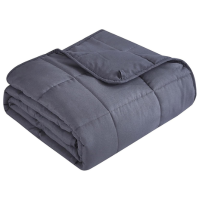
Topcee Weighted Blanket (20lbs, 60"x80" Queen Size)
A cooling, breathable weighted blanket that provides gentle, even pressure. Many people find this “hug-like” feel supportive for relaxation and better sleep.
- Cooling and breathable microfiber design for year-round use
- Glass beads distributed for balanced, steady weight across the body
- Smaller than a regular blanket by design to keep weight centered on you
Note: Hand washing and hanging to dry is recommended. This product model is intended for adults and is strictly prohibited for children under eight years old.
Change How You Respond to Anxious Thoughts
Anxious thoughts often sound urgent and convincing. They predict worst case scenarios and demand immediate attention. The goal is not to eliminate thoughts but to change how you relate to them.
When anxiety shows up, try labeling the thought. Say to yourself, this is an anxious thought, not a fact. This creates distance and reduces emotional intensity.
Another helpful approach is to ask, what is actually happening right now? Anxiety often pulls attention into imagined futures. Grounding yourself in the present moment reduces fear.
Cognitive behavioral techniques are especially effective for managing anxiety without medication.
Grounding Techniques for Immediate Anxiety Relief
Grounding techniques help bring your attention back to the present and out of anxious spirals.
Try the five senses method:
- Name five things you can see
- Four things you can feel
- Three things you can hear
- Two things you can smell
- One thing you can taste
This technique helps calm the nervous system and reduce panic symptoms.
Support Your Nervous System With Nutrition
What you eat affects how your brain and nervous system function. A balanced diet supports stable mood and energy levels.
Focus on whole foods such as vegetables, fruits, lean proteins, healthy fats, and complex carbohydrates. Omega three fatty acids, magnesium rich foods, and adequate protein intake support neurotransmitter balance.
Skipping meals or eating highly processed foods can increase anxiety by causing blood sugar fluctuations.
Reduce Overstimulation and Mental Overload
Constant notifications, multitasking, and information overload keep the nervous system on edge. Reducing stimulation is one of the most overlooked ways to calm anxiety without medication.
Set boundaries with news consumption and social media. Create quiet moments during the day where your mind can rest. Even short breaks from stimulation can lower anxiety levels.
Practice Mindfulness Without Pressure
Mindfulness does not mean forcing your mind to be empty. It means noticing what is happening without judgment.
You can practice mindfulness while doing everyday activities like washing dishes or walking. Focus on physical sensations, sounds, and movement. This trains your brain to stay present rather than anxious about the future.
Mindfulness has been shown to reduce anxiety symptoms and improve emotional regulation.
Build Emotional Safety Through Routine
Anxiety thrives in uncertainty. Creating predictable routines helps the nervous system feel safe.
Simple routines such as morning walks, regular meals, and consistent bedtime rituals create stability. Over time, this reduces baseline anxiety and improves resilience.
Connect With Others
Isolation increases anxiety. Human connection regulates the nervous system through shared safety and support.
Talking with someone you trust, spending time with loved ones, or participating in supportive communities can reduce anxiety naturally. You do not need to explain everything perfectly. Simply being heard matters.
When to Seek Additional Support
While many people can calm anxiety without medication, it is important to recognize when anxiety becomes overwhelming or interferes with daily functioning. Seeking professional support is a sign of strength, not failure.
Therapies such as cognitive behavioral therapy, acceptance based approaches, and trauma informed care are highly effective and do not require medication.
Final Thoughts on Calming Anxiety Naturally
Learning how to calm anxiety without medication is a process, not a quick fix. Anxiety developed over time, and it softens with consistent, compassionate practices. Small daily changes can lead to meaningful improvements.
You do not need to eliminate anxiety completely to live well. The goal is to reduce its intensity, shorten its duration, and feel more in control when it arises. With the right tools and patience, it is possible to feel calmer, steadier, and more at ease naturally.
